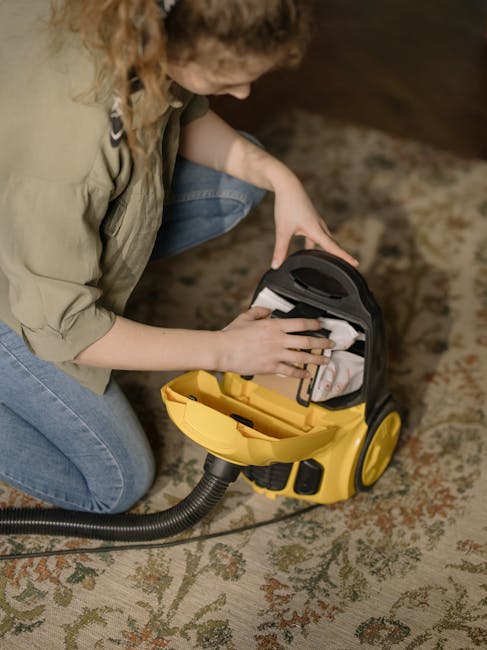
Westminster Council guidelines on carpet waste in W1: a practical local guide
If you are trying to work out Westminster Council guidelines on carpet waste in W1, you are probably dealing with a very ordinary but annoyingly specific problem: a rolled-up carpet that will not fit in the lift, a tenancy ending tomorrow, or a skip-free clearance in a street where access is tight and time is tighter. The rules around carpet disposal can feel simple at first, then suddenly less simple once you start asking where the old underlay goes, whether a bulky item count applies, and how to avoid leaving waste in the wrong place. This guide breaks the whole thing down in plain English, with the local realities of central London in mind.
We will look at what the guidance means, how carpet waste is normally handled in W1, what mistakes people make, and how to choose the most sensible route for a clean, compliant outcome. No fluff. Just useful detail you can actually use.
- Why Westminster Council guidelines on carpet waste in W1 matters
- How Westminster Council guidelines on carpet waste in W1 works
- Key benefits and practical advantages
- Who this is for and when it makes sense
- Step-by-step guidance
- Expert tips for better results
- Common mistakes to avoid
- Tools, resources and recommendations
- Law, compliance, standards, or best practice
- Options, methods, or comparison table
- Case study or real-world example
- Practical checklist
- Conclusion
- Frequently asked questions
Why Westminster Council guidelines on carpet waste in W1 Matters
Carpet waste is one of those things people underestimate until it is sitting in the hallway. It is bulky, awkward, and often heavier than expected, especially once it has absorbed years of foot traffic, dust, pet hair, cleaning residue, or a bit of damp. In W1, where many buildings have shared entrances, restricted bin storage, and strict management rules, getting rid of it properly matters more than people think.
Why does it matter so much? Because carpet waste can create three separate problems at once: a disposal issue, a building-management issue, and a compliance issue. If you leave it in the wrong place, you may block shared access or trigger a complaint. If you mix it with normal household rubbish, it may not be collected. If you use an informal disposal method, you could end up with avoidable costs or enforcement concerns. Truth be told, that is the kind of headache nobody needs during a move-out week.
There is also the practical side. West-end and central-London properties often have limited space to stage waste. A rolled carpet in a narrow stairwell feels like a small thing until it starts getting in the way of cleaners, movers, or neighbours. This is where planning early helps. It is not glamorous, but it saves time, money, and a fair bit of stress.
If your carpet removal is part of a bigger property reset, it can help to think in layers: waste removal, deep clean, and final presentation. Many residents pair carpet disposal with end of tenancy cleaning or a broader house cleaning service so the property is ready in one coordinated pass. That is usually cleaner, faster, and less chaotic.
How Westminster Council guidelines on carpet waste in W1 Works
The practical idea behind the guidance is straightforward: carpet waste should be treated as bulky waste or general waste depending on its condition and the collection route available to you, rather than being dumped in normal household bins. The exact collection method can vary based on property type, access, and whether you are dealing with a single room strip-out or a whole flat refit.
In real life, people in W1 usually handle carpet waste in one of four ways:
- Book a bulky waste collection if the council or local collection route allows it.
- Take it to an approved disposal point if you have transport and access.
- Use a licensed clearance service when the volume is too large or access is awkward.
- Combine disposal with a property clearance when there are multiple waste streams, not just carpet.
The key is to separate the carpet from other materials where possible. Old carpet underlay, grippers, nails, fixings, and padding may need handling differently. Wet carpet, contaminated carpet, or carpet with heavy adhesive residue may also complicate the process. If the carpet came from a refurbishment, it may be best to treat it as part of a wider clearance rather than a simple bin collection job.
There is a small but important distinction here: removal is not the same as disposal. You can physically get the carpet out of the room in minutes, but lawful disposal still needs a proper route. That is where good planning pays off.
When the job sits alongside other property work, some people bundle it with after builders cleaning or deep cleaning once the heavy waste is gone. That sequence makes sense. Waste first, finishing clean second. Otherwise you are just cleaning around the mess, which is never ideal.
Key Benefits and Practical Advantages
Following the right route for carpet waste in W1 is not just about staying on the right side of local rules. It has some very practical benefits too.
- Less risk of complaints: shared buildings in Westminster can be sensitive to waste left in corridors, front steps, or communal entrances.
- Cleaner handovers: landlords, agents, and managing agents tend to look more favourably on tidy, organised disposal.
- Safer lifting and carrying: carpet rolls are awkward, and a poor lifting plan can quickly turn into a back strain.
- Better scheduling: once the waste route is clear, it is easier to schedule carpet cleaning, clearance, or replacement.
- Fewer delays: no one wants to discover on moving day that the carpet cannot simply be left beside the bins. Happens more often than you'd think.
There is also a sustainability angle. Carpet waste is not always easy to reduce, but it can often be sorted more intelligently. Separating reusable items from true waste, keeping dry materials dry, and avoiding contamination all help. If sustainability matters to you, it is worth taking a moment to read the broader recycling and sustainability approach used by a responsible local provider. That can give you a good sense of the mindset to aim for, even if your own job is small.
One quiet benefit people overlook: peace of mind. When you know the carpet waste is being handled sensibly, the rest of the job feels lighter. It sounds minor, but on a tight timetable, that calm matters.
Who This Is For and When It Makes Sense
This guidance is useful for anyone in W1 who is dealing with old carpet, underlay, or related soft flooring materials. That includes homeowners, tenants, landlords, letting agents, office managers, and contractors. It is especially relevant in buildings where access is limited or where waste must be removed without disturbing neighbours.
You are likely to need a clear plan if you are:
- moving out of a flat and replacing carpet before inventory inspection
- refreshing a rental between tenancies
- clearing a room after water damage or renovation
- updating office flooring during a fit-out
- dealing with a one-off clear-out in a managed block
In offices, carpet waste often comes with other items like old desk mats, packaging, or stripped fixtures. In homes, it may be tied to a full reset: fresh flooring, sofa moving, stain removal, and a long overdue deep clean. If that sounds familiar, you are not alone. A lot of W1 properties end up in a mini domino effect once one room gets started.
For businesses, the decision is often about minimising disruption. In those cases, pairing disposal with commercial cleaning or commercial carpet cleaning can reduce the number of visits and keep the site presentable while work is underway.
Step-by-Step Guidance
If you want the simplest way to handle carpet waste in W1, follow this sequence. It is not complicated, but doing it in the right order avoids a lot of needless friction.
- Measure the scale of the job. One small bedroom carpet is very different from multiple floors or a full commercial strip-out.
- Check access. Note stair width, lift size, parking restrictions, and whether the carpet can be removed in one piece or must be cut down.
- Separate materials. Keep carpet, underlay, grippers, and other debris apart where practical.
- Decide on the disposal route. Choose between collection, drop-off, or a licensed clearance option depending on volume and timing.
- Protect the route out. Use dust sheets or temporary floor protection if the carpet is being moved through finished areas.
- Remove safely. Roll, tape, and carry the carpet in a manageable way. Two people is often better than one, honestly.
- Finish the space. Vacuum loose fibres, pick up staples, and inspect edges before the next stage begins.
For many households, the smartest next step after removal is a fresh clean of the exposed surface. If the carpet has been lifted because of wear, dirt build-up, or pet problems, it may be a good time to consider hard floor cleaning, stain removal, or even pet stain and odour removal if the room has had a rough few years. There is no point installing new flooring on top of a grimy base.
Small note, but useful: if the carpet is being removed for replacement rather than disposal, ask the flooring installer whether they want it lifted before arrival or whether they prefer to handle that themselves. Different teams work differently, and a five-minute call can save a lot of back-and-forth. Simple as that.
Expert Tips for Better Results
After enough carpet removals, a few patterns become obvious. The jobs that go well are usually the ones that are planned with the building, not against it.
- Cut in manageable sections before moving. Long carpet runs are awkward in stairwells and shared corridors.
- Keep the underlay in mind. It can weigh more than expected once it is old or damp.
- Do the removal at the quietest time possible. In W1, that often means avoiding busy access periods and resident changeovers.
- Use gloves and proper footwear. Carpet edges can be rough, and staples are sneaky little things.
- Plan the clean-up before the carpet comes up. Once the floor is exposed, tiny debris becomes very visible.
Another practical tip: if you are also having upholstery, curtains, or sofas refreshed, bundle the work together. It keeps the home or office from feeling half-finished for days on end. Services such as upholstery cleaning, curtain cleaning, and sofa cleaning often make sense in the same maintenance window, especially if the carpet is being removed because the soft furnishings have simply had enough.
And one small human truth: people often underestimate the smell. Old carpet can hold onto stale air, damp, or pet odour in a way you only notice once it is gone. Then the room suddenly feels different. Fresher. Bigger too, often. Bit of a surprise every time.
Common Mistakes to Avoid
A lot of problems with carpet waste in W1 come from a handful of repeat mistakes. None of them are dramatic, but they can turn a tidy job into a frustrating one.
- Leaving carpet in communal areas. This is one of the fastest ways to annoy neighbours or breach building rules.
- Mixing waste streams. Carpet, underlay, wood, screws, and general rubbish should not be thrown together without thinking.
- Ignoring access restrictions. A lift that is too small or a no-parking zone can change the entire disposal plan.
- Forgetting about wet or contaminated carpet. Damp carpet is heavier and less pleasant to handle.
- Assuming the cheapest option is the best one. Cheapest is not always cleanest, fastest, or most compliant.
Another common issue is poor timing. People remove the carpet first, then discover the new flooring delivery is delayed, or the cleaner can't start until the waste is gone. That gap can be annoying, especially in winter when exposed floors make rooms feel cold and unfinished. Planning the sequence avoids that awkward middle stage.
If you are working to a deadline, a broader service like move out cleaning or move in cleaning can help you keep the whole process moving in one line rather than three separate, messy ones.
Tools, Resources and Recommendations
You do not need specialist equipment for every carpet disposal job, but a few basics make things much easier. A good utility knife, heavy-duty tape, gloves, a dustpan and brush, and a sturdy sack or protective wrapping material are often enough for smaller residential jobs. For larger clearances, trolleys, tie-downs, and proper lifting help make the work safer.
Useful planning resources to think about include:
- Building management notes: useful for access times, lift booking, and waste staging rules.
- Property inventory notes: especially helpful for tenants and landlords managing final inspections.
- Waste separation plan: a simple list of what is carpet, what is underlay, and what is general debris.
- Cleaning sequence plan: disposal first, then surface cleaning, then any final presentation work.
If you want to reduce the number of moving parts, it can help to choose a single provider who understands both cleaning and disposal-related practicalities. A service page like house clearance may be useful if your carpet waste is part of a bigger declutter, while one-off cleaning makes sense for a single job after a move, refurb, or tenancy change.
For pricing discussions, keep the conversation specific. Ask what is included, what access assumptions are being made, and whether the quote covers lifting, loading, and final tidy-up. The clearer you are, the fewer surprises later. That alone is worth a lot.
Law, Compliance, Standards, or Best Practice
For carpet waste, the safe approach in the UK is to treat disposal as a proper waste-management task, not an afterthought. In practice, that means you should avoid fly-tipping, avoid leaving waste where it obstructs shared access, and use a route that is appropriate for the quantity and type of waste involved. If the carpet is being removed by a contractor, using a responsible and traceable disposal route is the norm, and it is sensible to ask about that upfront.
In shared buildings, local management rules may be just as important as council guidance. Many Westminster properties have house rules about waste storage, lift booking, quiet hours, and corridor use. Those rules may not be glamorous, but they matter. A lot.
Best practice usually looks like this:
- remove waste promptly once it is ready
- keep it dry and contained
- separate recyclable or reusable materials where practical
- avoid blocking fire exits, pavements, or shared entrances
- use insured, trained, and properly organised assistance for larger jobs
If safety and responsibility are top of mind, it is sensible to review a provider's health and safety policy and insurance and safety approach. That is not just box-ticking. It tells you whether the team thinks clearly about access, lifting, and premises protection. For carpet waste in W1, those details really do matter.
Options, Methods, or Comparison Table
There is no single best way to deal with carpet waste in Westminster. The right method depends on size, access, urgency, and what else is happening in the property. Here is a simple comparison.
| Method | Best for | Advantages | Watch-outs |
|---|---|---|---|
| Bulky waste collection | Smaller domestic quantities | Convenient, simple, less handling | Timing may be limited; access must be clear |
| Self-haul to disposal point | People with transport and time | Direct control, straightforward for small loads | Vehicle space, loading effort, parking and traffic |
| Licensed clearance service | Larger or awkward jobs | Fast, practical, can handle mixed waste | Cost can be higher than DIY options |
| Combined clean and clearance | Moves, refits, full property refreshes | Efficient, coordinated, less disruption | Needs clear scheduling and a good brief |
For many W1 properties, the combined route is the sweet spot. It fits busy lives. It also keeps the job moving in one direction instead of bouncing between waste, cleaning, and replacement work. That said, a small domestic strip-out does not need a grand solution. Keep it proportional.
Case Study or Real-World Example
A typical W1 scenario goes like this. A tenant is leaving a one-bedroom flat near a busy central street. The bedroom carpet is worn, the hallway has a few stubborn marks, and the building has a narrow lift that barely takes a suitcase, let alone a bulky roll of old flooring. The move-out date is fixed. The inventory check is not moving. Naturally.
The first step is to confirm what needs removing: carpet, underlay, and a small amount of fixings. The second step is to arrange a clear disposal route before the room is stripped. The carpet is cut into manageable sections, wrapped, and taken out at a quiet time so the corridor is not blocked for long. The exposed floor is then vacuumed and checked for staples and loose debris. After that, the remaining surfaces are refreshed with a suitable clean, and the flat is ready for handover.
What made the job run smoothly was not speed alone. It was sequencing. Waste, then tidy-up, then finishing work. No drama. No last-minute scramble. And frankly, that is usually the difference between a stressful move and a tolerable one.
In another, more business-focused case, an office in W1 replaced carpet in a meeting room and reception area. The company combined the job with office cleaning and a final pass of window cleaning so the space looked coherent again, not half-updated and dusty. That sort of joined-up thinking saves time and keeps the premises professional.
Practical Checklist
Use this checklist before you start. It saves a surprising amount of trouble.
- Confirm the amount of carpet waste. One room, several rooms, or a whole property?
- Check building rules and access restrictions. Lift use, parking, waste staging, and quiet hours.
- Separate carpet from underlay and fixings. Keep things tidy from the start.
- Decide who is removing and who is disposing. DIY, council route, or clearance help?
- Protect floors and walls on the removal path. Especially important in shared buildings.
- Book the next step before the carpet comes out. Cleaning, flooring installation, or final inspection.
- Inspect the exposed area. Look for staples, dust, adhesive, and damp spots.
- Keep all paperwork or booking details. Handy if a landlord or manager asks later.
Expert summary: the smoothest carpet waste jobs in W1 are rarely the biggest ones. They are the ones where disposal, access, and cleaning are planned together. That is the quiet little secret.
Get a free quote today and see how much you can save.
Conclusion
Dealing with carpet waste in Westminster is not complicated once you strip away the uncertainty. The real challenge is not the carpet itself; it is the logistics around it. Access, timing, shared spaces, and disposal method all matter. In W1, where properties are often compact and buildings are busy, a sensible plan makes all the difference.
If you take one thing from this guide, let it be this: remove carpet waste with a clear route in mind, keep the job orderly, and line up the next step before the first roll is lifted. That way you stay compliant, keep the building calm, and avoid the kind of last-minute scramble that makes people mutter into their tea.
And when the last piece is gone and the room finally opens up, there is a satisfying sense of reset. Fresh floor, clearer space, better air. Small win, but a real one.
Frequently Asked Questions
What are Westminster Council guidelines on carpet waste in W1?
They are the local expectations for disposing of old carpet, underlay, and related bulky waste in a way that avoids obstruction, fly-tipping, and misuse of normal household bins. The exact route depends on the type and amount of waste, plus building access and timing.
Can I leave old carpet next to the bins in a W1 block?
Usually no, not unless there is a specific collection arrangement in place. In shared buildings, leaving carpet beside bins can block access, create complaints, or breach house rules. It is safer to arrange removal properly.
Do I need to separate carpet from underlay?
Yes, wherever practical. Separating materials helps with handling, disposal, and tidiness. It also makes it easier to see whether any parts can be managed differently from the main carpet roll.
Is carpet waste treated as bulky waste?
Often, yes. Carpet is typically managed as bulky waste or general waste depending on the disposal route and the amount involved. If it is part of a larger clear-out, a clearance service may be more suitable.
What should I do if the carpet is wet or damaged by damp?
Handle it carefully and do not leave it lying around. Wet carpet is heavier, less pleasant to move, and may need a different disposal approach. It is sensible to get advice before carrying it through a shared building.
Can a cleaner remove carpet waste as part of a property clean?
Some cleaning and clearance providers can help coordinate the process, especially for end-of-tenancy or move-out situations. For bigger jobs, look for a provider that can manage the sequence cleanly and responsibly.
What is the best option for a small carpet disposal job in W1?
For a small amount of carpet, a bulky collection or simple self-haul may be enough if access and timing are manageable. If the building is awkward or the deadline is tight, a professional clearance route is often less stressful.
How do I avoid damage when removing carpet in a flat?
Cut the carpet into manageable sections, use proper protection on the route out, and keep an eye on corners, walls, and shared hallways. If you are unsure, do not force it. That is how little scrapes become annoying repairs.
Should carpet waste be removed before or after cleaning?
Usually before. Once the carpet is gone, you can clean the exposed floor properly and finish the room in the right order. Waste first, clean second tends to work best.
Do landlords or agents care how carpet waste is handled?
Yes, they often do. They may not ask for every detail, but they care about tidy handovers, building rules, and whether the property is left in a sensible condition. Good disposal helps the whole move go more smoothly.
What other cleaning services are often paired with carpet waste removal?
Common pairings include end of tenancy cleaning, move out cleaning, deep cleaning, and sometimes regular cleaning after the main work is done.
How do I know if I need professional help?
If access is tight, the carpet volume is large, the deadline is close, or the waste includes underlay and other mixed materials, professional help is usually worth it. It is often less stressful than trying to improvise on the day.
What is the most common mistake people make with carpet waste in Westminster?
The biggest mistake is underestimating the logistics and leaving the waste plan too late. Once the carpet is out, you want a clear next move already in place. Otherwise the room just sits there, half-finished and in the way.