Complaints Procedure for Carpetcleaning Marylebone
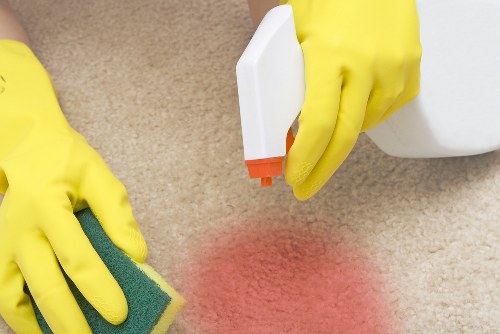 A clear and fair complaints process is an important part of any professional carpet cleaning service. When something does not go as expected, customers should know how to raise a concern and how it will be handled. This complaints procedure explains the steps a customer can take, the information that helps a case move forward, and the standards that support a calm and respectful resolution. For Carpetcleaning Marylebone, the aim is to make the process straightforward, transparent, and consistent.
Complaints may relate to cleaning quality, scheduling problems, missed areas, damage concerns, or communication issues. Even when a job has been completed carefully, it is still possible for a customer to feel that something has not met expectations. A proper procedure allows these concerns to be reviewed properly rather than left unresolved. It also helps maintain trust, because a company that listens well is more likely to correct problems in a balanced and practical way.
 The first step is to make the complaint as soon as possible after the service. This gives the business a better chance to review the issue while details are still fresh. The customer should explain what happened, where the problem was noticed, and what outcome would feel reasonable. If helpful, the complaint may include notes about the areas treated, the date of the service, and any visible results that caused concern. A well-structured complaint is easier to assess and respond to.
When a complaint is received, it should be acknowledged promptly. Acknowledgement does not mean agreement, but it does show that the matter has been logged and will be reviewed. At this stage, the business may ask for more information, such as photographs, job details, or a description of the surface affected. This is a normal part of handling a carpet cleaning complaint and helps ensure the response is based on facts rather than assumptions.
After the initial review, the company should investigate the concern carefully. This may involve checking service records, speaking with the technician involved, and considering whether the issue arose from pre-existing wear, staining, fibre type, or a genuine service shortfall. A thoughtful investigation is especially important in complaints about carpet cleaning, because carpets can react differently depending on material, condition, and previous treatment. The goal is to understand the situation before deciding on the next step.
 If the complaint is upheld, possible solutions may include a re-clean, a partial refund, or another fair remedy that reflects the issue identified. The response should be proportionate to the problem. For example, a small missed section may need only a targeted revisit, while a larger service concern may require a broader resolution. The principle is to correct the outcome where possible and to do so in a respectful and professional manner.
There are also situations where a complaint cannot be upheld. This may happen if the result was affected by prior damage, long-term wear, unsuitable fabric condition, or factors outside the cleaning process. In such cases, the business should explain the reasons clearly and politely. A strong carpet cleaning complaints policy does not avoid difficult answers; instead, it provides an honest explanation that helps customers understand how the conclusion was reached.
The tone used throughout the procedure matters. A complaint should never be treated as an inconvenience or a confrontation. It should be handled with patience, courtesy, and a willingness to review the facts. For a Carpetcleaning Marylebone complaints process, professionalism means keeping communication calm, avoiding defensive language, and focusing on resolution. This approach helps preserve a constructive relationship even when the original experience was disappointing.
To support a fair outcome, the business may also keep records of complaints and their resolutions. These records can highlight patterns, such as repeated timing issues, service misunderstandings, or recurring concerns about specific cleaning outcomes. Tracking this information is useful because it supports improvement over time. It can also help ensure that similar complaints are handled consistently, which is an important part of treating customers equally.
Customers benefit from knowing that a complaint process is not only about fixing one problem, but also about improving service standards overall. A reliable procedure can lead to better training, clearer service explanations, and more careful quality checks. In this sense, a carpet cleaning procedure for complaints supports both immediate resolution and long-term service quality. It shows that concerns are taken seriously and that lessons can be learned from every issue raised.
It is also helpful for complaints to be reviewed within a reasonable timeframe. While some issues require more investigation than others, delays can make customers feel overlooked. A practical process should include a timely response, an update if further review is needed, and a final decision once the matter has been assessed. Clear time expectations make the procedure easier to follow and reduce uncertainty for everyone involved.
 In cases where agreement cannot be reached, the final response should still be respectful and complete. The explanation should refer to the information reviewed and the reason the outcome was decided. If further internal review is available, the customer should be informed of that step. Even when a complaint is not resolved in the way hoped for, a well-managed process can still leave the customer feeling heard and treated fairly.
For any carpet cleaning complaint, the most important qualities are clarity, fairness, and consistency. A good procedure does not rely on assumptions or rushed decisions. It follows a sensible path from report to review to outcome, with each stage handled carefully. This creates confidence that concerns will be considered properly and that each case will receive the attention it deserves.
Ultimately, a complaints procedure is part of responsible service delivery. It shows that customer concerns are not hidden or ignored, but dealt with in an orderly and constructive way. For carpetcleaning Marylebone, this means maintaining high standards, responding with professionalism, and offering practical resolutions where appropriate. A fair process supports trust, accountability, and service improvement.
 A clear complaints system is not only a safeguard for customers; it is also a sign of a company committed to doing things properly and learning from every concern raised.