Carpet Cleaning
 Upholstery Cleaning
 End Of Tenancy Cleaning
 Domestic Cleaning
 House Cleaning
 Office Cleaning


Portman Estate upholstery cleaning for antiques
Posted on 06/05/2026
Portman Estate Upholstery Cleaning for Antiques: A Practical Guide for Careful Homeowners
Antique upholstery has a quiet way of changing a room. A 19th-century armchair, a Georgian stool, a well-loved settee with original fabric, it all brings character that modern furniture simply cannot fake. But the same age, craftsmanship, and delicate materials that make antiques special also make them tricky to clean. That is exactly why Portman Estate upholstery cleaning for antiques needs a slower, more considered approach than standard upholstery cleaning.
If you are looking after inherited furniture, preparing a property for guests, or simply trying to keep a treasured piece in good condition, the right cleaning method matters. A rushed clean can flatten pile, disturb stitching, fade dyes, or leave moisture in places it should never have gone in the first place. This guide walks through what proper antique upholstery care looks like, how the process works, what to avoid, and how to decide when professional help is the sensible choice. Truth be told, antiques reward patience.
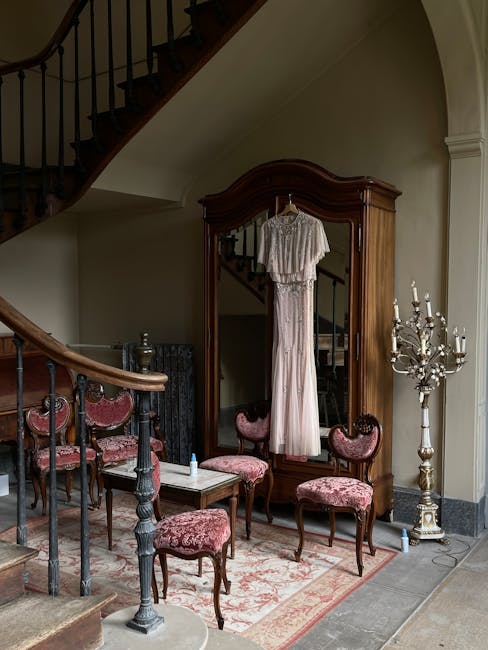
Why Portman Estate upholstery cleaning for antiques Matters
Antique upholstery is not just "older furniture". It is usually a combination of fragile textile, aged padding, timber frames, historical stitching, and sometimes repairs made over decades. Each of those elements reacts differently to moisture, agitation, and cleaning chemistry. That is why a one-size-fits-all approach can do more harm than good.
In the Portman Estate area, many properties blend period detail with elegant modern living. That mix often means antique chairs in reception rooms, inherited sofas in private homes, or decorative seating used in well-kept apartments. These pieces may look sturdy, but the fabric can be tired, the lining brittle, and the stuffing uneven. A surface that appears fine can still be hiding dust, odours, and gradual wear.
Cleaning matters for more than appearance. Dust and everyday soils can become embedded in fibres, and if left alone they may abrade the material over time. Spills can also migrate deeper into cushions or horsehair fillings, especially in older pieces with breathable construction. To be fair, the most expensive mistake is often not cleaning at all, but cleaning too aggressively.
For households that value both presentation and preservation, antique upholstery care is part maintenance, part conservation. If you want a broader picture of how these services fit into a property routine, the services overview is a useful starting point, and the main upholstery cleaning service in Marylebone gives a good sense of the general process before narrowing down to antiques.
How Portman Estate upholstery cleaning for antiques Works
Careful antique upholstery cleaning is usually more diagnostic than dramatic. The best results begin with identification, not treatment. A technician or experienced cleaner will first look at the fabric type, condition, stitching, padding, trims, and any existing damage. Is it silk, wool, cotton, velvet, tapestry, or a mixed textile? Has the piece already been repaired? Is the dye stable? Has moth damage or sun fading already taken hold? These questions shape the method.
The actual cleaning may involve a combination of dry soil removal, low-moisture cleaning, targeted spot treatment, and controlled drying. The aim is to lift grime without saturating the fabric or loosening the structure underneath. On many antiques, a deep wet clean is simply not the right move. Sometimes the safest option is a careful dry extraction, followed by local stain work and protective advice.
Older upholstery often contains materials that need extra caution. Horsehair, coir, wool, and layered batts can hold moisture for longer than modern foam. That means drying is not a side issue; it is central to the job. If a room feels slightly damp or cold, even a small amount of retained moisture can become a problem. You know the sort of thing: the sofa looks better for a day, then a faint musty smell returns. Not ideal.
Professional cleaning should also respect the piece's history. Some marks are part of the furniture's character and should be approached conservatively. A good cleaner will tell you when a stain may improve only partially, rather than promising miracles. That honesty is a good sign.
Typical process in plain English
- Inspect the piece and identify the fabric, construction, and weak points.
- Test cleaning products in a hidden area for colourfastness and fibre response.
- Remove loose dust and grit carefully.
- Treat local stains with the mildest suitable method.
- Clean the surface using low-moisture or controlled techniques.
- Dry the piece thoroughly with airflow and careful monitoring.
- Review the result and advise on aftercare.
Key Benefits and Practical Advantages
When antique upholstery is cleaned properly, the value is not just visual. You get preservation, comfort, hygiene, and often a much more pleasant room overall. Dusty old upholstery can carry a stale smell that you stop noticing after a while; guests do not. Once cleaned, a room can feel lighter, cleaner, and more cared for. Slightly old-fashioned, perhaps, but very satisfying.
Some of the main benefits include:
- Extended fabric life by removing abrasive dirt before it wears fibres down.
- Better appearance through colour revival and reduced dullness.
- Improved hygiene by reducing accumulated dust and everyday residues.
- Odour reduction when organic smells and trapped moisture are addressed carefully.
- Protection of historical value when the process respects original materials and finishes.
- Better room presentation for homes, rentals, and properties used for entertaining.
There is also a practical benefit that is easy to overlook: confidence. Once you understand how a piece has been cleaned, you are less likely to panic over every small mark. That can be a relief in itself, especially in homes where furniture is used properly rather than treated like museum glass. Antiques can live in real homes. They just need a bit of sense.
If you are comparing services or budgeting for different property needs, the pricing and quotes page is helpful for understanding how enquiries are typically handled, while customer reviews can give you a feel for service quality and care standards.
Who This Is For and When It Makes Sense
Antique upholstery cleaning is not only for collectors. It suits anyone responsible for older upholstered furniture that matters enough to preserve. That could be a homeowner with a family piece, an interior-led landlord, a property manager preparing a special room, or someone restoring a house in a traditional London setting.
This kind of cleaning makes sense when:
- the furniture is antique, vintage, or period-style with fragile fabric;
- there is visible soiling, dullness, or odour;
- the piece has been in storage and needs careful refreshing;
- you want to protect sentimental or inherited furniture;
- the room will be used for guests, showing, or photography;
- you are unsure whether standard upholstery cleaning is too harsh.
It may not be suitable for every item. Some antiques are too delicate, too dry, or too damaged for any significant wet process. In those cases, the better decision may be stabilisation, dusting, or conservation advice rather than a full clean. That is not a failure. It is simply careful judgement.
For people exploring broader home care support in the area, the pages on domestic cleaning in Marylebone and house cleaning in Marylebone may also be useful, especially if the upholstery cleaning sits alongside a wider upkeep plan.
Step-by-Step Guidance
Below is a practical, no-nonsense sequence for dealing with antique upholstery safely. It is not a substitute for specialist conservation where needed, but it does show the logic behind a careful clean.
1. Identify the fabric and construction
Look for labels if they exist, but do not rely on them entirely. Antique pieces are often reupholstered, re-stuffed, or partially repaired. Feel the material gently. Check seams, piping, buttons, fringe, and trims. If there is embroidery or hand-finished detail, assume it is more vulnerable than it looks.
2. Assess risk before any moisture is used
Ask a simple question: if this piece became slightly damp, would it dry quickly and safely? If the answer is "I'm not sure", proceed cautiously. Faded dye, loose fabric, old glue, or brittle lining are all reasons to slow down.
3. Remove surface dust first
Dry dust removal is usually the safest starting point. A soft brush, low-suction vacuum with a protective screen, or careful hand method may be used. The aim is not to scrub; it is to lift loose particles before they can turn into grime during cleaning.
4. Test a hidden area
Any cleaner worth listening to will test first. A small concealed section can reveal colour transfer, shrinkage risk, or texture change. That tiny test can save the whole piece. It really can.
5. Clean conservatively
Use the least aggressive method that gives a meaningful improvement. Sometimes a little controlled foam, very light moisture, or a specialist dry technique is enough. Strong chemicals are rarely the answer for antiques, and more is not better here. Usually the opposite.
6. Dry properly and check the result
Airflow matters. So does temperature. The piece should not be put straight back into a closed room and forgotten about. Check seams, cushion interiors, and hidden folds for lingering dampness. A clean finish with trapped moisture is a problem waiting to happen.
Expert Tips for Better Results
Antique upholstery cleaning is one of those tasks where a few sensible habits make a big difference. Nothing glamorous, just good practice.
- Deal with spills quickly, but blot rather than rub. Rubbing pushes liquid deeper and can distort fibres.
- Keep sunlight under control. Direct sun fades fabrics and can make old textiles brittle over time.
- Use protective throws sparingly. They can help with daily wear, though make sure they are breathable and not trapping moisture.
- Rotate use where possible. A treasured chair used every day on one side will age unevenly.
- Ask for fabric-specific advice. Velvet, silk, tapestry, and wool all behave differently.
- Preserve original character. A perfect-looking result is not always the best result if it means losing texture or patina.
One small but useful tip: keep a note of any previous cleaning, repairs, or product use. If a fabric reacts badly later, that record helps a lot. It is the sort of thing people only value after the fact, but there you go.
If you are also maintaining a property that needs broader care and presentation, the carpet cleaning service in Marylebone can complement upholstery care nicely, especially in reception areas where dust and traffic mark both floors and soft furnishings.
Common Mistakes to Avoid
Most problems with antique upholstery come from urgency, overconfidence, or a well-meant attempt to do too much. The usual mistakes are surprisingly consistent.
- Using standard upholstery shampoo without checking suitability. What works on a modern sofa may be wrong for an antique chair.
- Soaking the fabric. Antique fillings and old adhesives do not enjoy excess water.
- Scrubbing stains aggressively. That can distort the weave, spread the mark, or make the damage permanent.
- Ignoring hidden damage. Loose seams, broken springs, and worn linings can worsen during cleaning.
- Skipping a test patch. A quick test is not optional; it is basic caution.
- Rushing the drying stage. Damp inside a cushion is the kind of problem that lingers.
Another mistake? Assuming every darker mark is dirt. Sometimes it is age, previous staining, or wear to the dye. That matters because the cleaning goal should be realistic, not magical. If a stain has migrated into the core of the material, a cautious improvement may be the right win.
Tools, Resources and Recommendations
The best tools for antique upholstery are usually the gentlest ones. You do not need a dramatic kit. You need control, care, and a method that fits the material.
| Method | Best for | Pros | Watch-outs |
|---|---|---|---|
| Dry dust extraction | Delicate fabrics, older fillings, routine maintenance | Low risk, good first step, helps prevent grit wear | May not remove deep staining or odours |
| Low-moisture cleaning | Stable antique upholstery with surface soiling | Balanced cleaning with controlled drying | Still needs fabric testing and careful supervision |
| Targeted spot treatment | Specific marks, local spills, small problem areas | Focused and economical | Easy to over-treat if rushed |
| Specialist conservation advice | Very fragile, high-value, or historically significant pieces | Protects originality and reduces risk | May prioritise preservation over appearance |
Helpful resources for anyone weighing up the next step include service information, trust pages, and support pages. If you want to understand a company's approach in broader terms, the about us page gives context on how the business works, while insurance and safety information is useful when you are trusting someone with valuable furnishings. For a sense of the wider service process, the main services overview is a sensible companion page.
And if you are planning cleaning across a whole property, especially before guests arrive or after a busy season, the office cleaning and end of tenancy cleaning pages show how the business handles different cleaning needs, even though those services are not the same as antique care.
Law, Compliance, Standards, or Best Practice
With antiques, the real standard is usually best practice and professional caution rather than hard-and-fast legal rules about cleaning methods. That said, there are still sensible expectations to keep in mind.
First, any cleaner working in a client's property should behave safely and responsibly around electrical equipment, moisture, fragile furnishings, and access routes. That sounds obvious, but it matters. Second, if a piece is genuinely valuable, historic, or structurally delicate, it may be wiser to seek conservation advice before any significant cleaning. In other words, cleaning is not always the first job; assessment is.
From a consumer perspective, good service providers should be clear about what they can and cannot guarantee. They should explain risk, give realistic expectations, and avoid pushing a treatment that may not suit the item. If terms, payment, or service boundaries are important to you, the company's terms and conditions and payment and security information are worth reviewing before booking.
Privacy and complaints handling also matter when you are choosing a service provider for a home visit. It is not glamorous, I know, but it is part of trust. You can review the privacy policy and complaints procedure to understand how issues are handled if something does not go to plan.
For anyone interested in the local area and how properties are lived in, the blog archive is a useful read, especially what it's like to reside in Marylebone and an introduction to Marylebone London. Those pieces help place home care in its local setting.
Options, Methods, or Comparison Table
If you are deciding how to handle antique upholstery, it helps to compare the main options rather than jumping straight to a "deep clean" label. The right method depends on fabric stability, age, soiling, and value.
| Option | What it involves | Best for | When to choose it |
|---|---|---|---|
| Careful DIY dusting | Soft brush, low suction, gentle maintenance | Light surface dust, routine care | When the piece is stable and only needs refreshing |
| Professional low-moisture clean | Testing, targeted treatment, controlled moisture | Most antique upholstery that can safely be cleaned | When you want meaningful cleaning without heavy saturation |
| Specialist conservation route | Assessment and preservation-first treatment | High-value, fragile, or historically significant pieces | When cleaning risk is too high for standard methods |
As a rule of thumb, the older, rarer, or more fragile the item, the more the process should lean toward preservation. It sounds cautious because it is cautious. That is usually the right instinct with antiques.
Case Study or Real-World Example
Imagine a family receiving a pair of antique armchairs that had spent years in a sitting room near a bay window. They were beautiful, but one had a faint ring mark on the arm, both had a dusty smell, and the fabric looked a little flat in daylight. The first instinct was to hire a general cleaner and "freshen them up". Sensible on the surface, risky in practice.
Instead, the pieces were assessed for fabric stability first. The fabric was delicate but not unusable, the stitching was sound, and the padding was old but intact. A gentle, tested approach was chosen: careful dry extraction, light local treatment on the mark, and controlled drying with airflow rather than heat. No drenching, no heavy foam, no aggressive scrubbing. The result was not a showroom transformation, and that was fine. The chairs looked cleaner, smelled fresher, and still looked like antiques, not over-restored objects.
The family later said the best part was not the visual change, but the peace of mind. They could sit on them without feeling they were slowly damaging a treasured inheritance. That, in a way, is the whole point.
For readers balancing cleaning with property presentation, a look through the Marylebone property investment guide or the property sales guide may also be useful, because furniture care often sits inside a wider value-protection mindset.
Practical Checklist
Use this checklist before booking or attempting any antique upholstery clean. Small steps here can prevent expensive regret later.
- Identify the furniture type, fabric, and approximate age.
- Check for tears, loose seams, weak edges, and previous repairs.
- Look for fading, staining, odour, moth damage, or damp history.
- Confirm whether the piece can safely tolerate moisture.
- Ask for a test patch before any treatment is applied.
- Make sure drying will be controlled and monitored.
- Avoid strong detergents unless they are specifically suitable.
- Keep a record of prior cleaning or restoration.
- Consider whether the item needs conservation advice instead of standard cleaning.
- Review the provider's reviews, service details, and policies before proceeding.
Expert summary: With antique upholstery, the safest cleaning is usually the least invasive cleaning that still gives a genuine improvement. Start with assessment, not products. Respect the fabric, respect the age, and do not chase perfection if it puts the piece at risk.
Conclusion
Portman Estate upholstery cleaning for antiques is really about restraint, judgement, and respect for the furniture's original character. The goal is not to make an antique behave like a modern sofa. It is to clean what can safely be cleaned, protect what should be preserved, and leave the piece healthier for longer. That is a subtle difference, but an important one.
Whether you are looking after a single heirloom chair or a fuller set of period furnishings, a careful approach pays off. Start with assessment, ask sensible questions, and do not be rushed by the promise of a quick fix. Antique upholstery tends to respond best to quiet competence. No fuss. No drama.
If you are ready to plan the next step, compare the relevant service information, read the trust pages, and think about the level of care your furniture really needs. Sometimes the most valuable thing you can do for an antique is simply not force it.
Get a free quote today and see how much you can save.