Carpet Cleaning
 Upholstery Cleaning
 End Of Tenancy Cleaning
 Domestic Cleaning
 House Cleaning
 Office Cleaning


Spot hidden cleaning fees for Marylebone homeowners
Posted on 10/06/2026
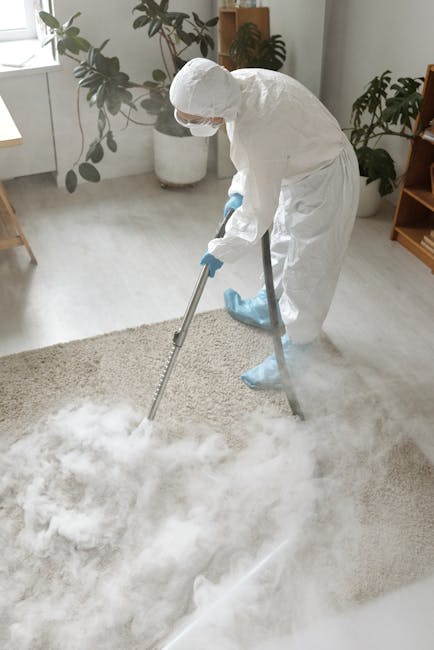
If you have ever stared at a cleaning quote and thought, "That looked fine five minutes ago... so why is the final total higher?", you are not alone. Spot hidden cleaning fees for Marylebone homeowners is really about one thing: making sure the number you agree to is the number you pay. In a postcode where homes range from elegant period flats to busy family houses, the small print can easily hide extras like access charges, deep-clean add-ons, minimum callout fees, or last-minute "condition" surcharges. This guide shows you how to read quotes properly, compare them sensibly, and avoid the sort of awkward surprise that no one wants on a Tuesday morning.
We will look at what hidden fees usually look like, how they appear in quotes, what to ask before booking, and how to judge whether a price is genuinely fair. A few of the details are boring, yes, but boring is better than overpaying.
Why Spot hidden cleaning fees for Marylebone homeowners Matters
Marylebone properties often come with practical quirks that are easy to miss if you only look at the headline price. There may be narrow stairwells, controlled parking, basement access, old flooring, delicate finishes, or a home layout that takes longer to clean than a standard flat. None of that is a problem in itself. The problem starts when a quote assumes one thing and the job turns out to be another.
Hidden fees matter because they distort comparison. A cheap-looking quote can become the expensive one once the extras are added. And once work has started, people are understandably reluctant to argue over a surcharge when the cleaner is already in the hallway with a trolley and a vacuum humming away. That is how many homeowners end up paying more than expected.
For homeowners in Marylebone, where properties are often maintained to a high standard, the risk is not just financial. It is also about trust. If a company is vague at the quote stage, they may be vague elsewhere too. A clear, transparent provider should be able to explain exactly what is included, what is optional, and what might genuinely cost extra because of access, level of soiling, or specialist treatment.
Practical takeaway: the best way to avoid hidden cleaning fees is to treat every quote like a contract conversation, not a casual estimate. If something could change the price, get it named in writing before you book.
How Spot hidden cleaning fees for Marylebone homeowners Works
Spotting hidden fees is less about being suspicious and more about being methodical. Most cleaning services will start with a base price. That base price usually covers a defined task, a defined size or room count, and a fairly standard level of access. The fees creep in when the job falls outside those assumptions.
Here is how it typically plays out:
- The quote looks simple. For example, it may list a room rate, hourly rate, or fixed package price.
- The booking form asks a few quick questions. Sometimes these are the only chance to flag stairs, parking, pets, stains, or special surfaces.
- The cleaner arrives and sees a more complex job. That can trigger extras if the terms allow it.
- The invoice includes add-ons. These may be legitimate, but they should never be a surprise.
In Marylebone, one common issue is access. A property might be in a beautiful terrace or mansion block, but if parking is difficult or the lift is out of action, time and labour go up. Another common issue is specialist care. Delicate upholstery, antique rugs, or high-value finishes may require different products or slower work. That is fair enough, but it should be explained early.
If you want a useful benchmark for what should be discussed before booking, the pricing and quotes page is a good place to start because it reinforces the kind of detail a transparent service should provide. You can also compare that with the wider services overview to understand where one service ends and another begins.
Truth be told, most hidden fees are not hidden at all once you know the language. They are just written in a way that is easy to skim past. That is the trap.
Key Benefits and Practical Advantages
Getting ahead of hidden fees is not just about saving money on one clean. It improves the whole booking process.
- More accurate budgeting. You know the likely final figure before anyone turns up.
- Better comparison. You can compare like-for-like quotes instead of comparing misleading headline prices.
- Fewer disputes. Clear scope means fewer awkward conversations at the door.
- Better results. When the cleaner knows the real job in advance, they can bring the right kit and schedule enough time.
- Less stress. That sounds obvious, but a clean quote is oddly calming. It takes the edge off the whole thing.
There is also a reputational benefit if you manage a property or prepare a home for sale. A clean, well-documented booking process shows care and organisation. For homeowners thinking about how presentation affects value, the article on Marylebone property and your investment guide is a useful companion piece because it frames cleaning as part of wider property upkeep, not just a one-off expense.
And yes, if you are trying to get a home ready for a viewing or a family gathering, there is something reassuring about knowing the bill will not jump because somebody had to move a sofa three metres. Small thing, but it matters.
Who This Is For and When It Makes Sense
This guide is for any Marylebone homeowner who wants a fair price and fewer surprises. But it is especially useful in a few situations.
- Owners of period or high-value homes where delicate finishes may change the scope of work.
- Busy households that need domestic cleaning or house cleaning on a regular basis.
- Homeowners preparing to sell who want the property to look its best before viewings.
- Landlords or accidental landlords who need end-of-tenancy or turnaround cleaning and want costs clear for accounting.
- People booking specialist jobs such as upholstery cleaning, carpet cleaning, mattress sanitising, or rug care.
It is also helpful if you have had a bad experience before. Maybe the quote started at one figure and grew every time a new "issue" was spotted. Maybe the final invoice felt like a ransom note. We have all seen services like that in other industries. Cleaning is no exception.
If you are comparing different types of service, it can help to look at the relevant pages directly, such as domestic cleaning in Marylebone, house cleaning, or upholstery cleaning in Marylebone. Different services carry different risk points for add-ons, so the right comparison depends on the job.
Step-by-Step Guidance
Here is a simple, practical way to catch hidden cleaning fees before they catch you.
- Ask for the service scope in plain English. What exactly is included? Rooms, surfaces, stain treatment, appliances, windows, skirting boards, inside cupboards? Do not assume.
- Ask what counts as an extra. Stairs, parking, heavy soiling, pet hair, fragile fabrics, protected flooring, or oversized items can all change the price.
- Confirm access details. Mention lifts, narrow entrances, basement flats, controlled entry, and parking restrictions. A missed access detail is a common reason for added cost.
- Check whether the quote is fixed or estimated. A fixed quote should be much clearer. An estimate may change if the job differs from what was described.
- Read the terms carefully. Not every homeowner loves doing this, but the fine print often holds the truth. Look for minimum charges, cancellation fees, and travel surcharges.
- Ask about products and specialist treatments. If a cleaner needs a different solution for an antique rug or a luxury sofa, find out whether that is included or extra.
- Request written confirmation. A short email with the agreed scope is enough. You want something you can point to later if needed.
A useful habit is to describe your home the way a cleaner will experience it, not the way you experience it. That means mentioning the awkward hallway, the stubborn hallway runner, the winter mud near the entrance, and the fact that the parking bay is never really a bay when you need it. A little detail goes a long way.
If you are booking after a spill or damage incident, you may also find the article on urgent flood cleanup for Marylebone flats helpful for understanding why emergency work can carry different pricing and scope rules. That kind of job is never the same as a routine clean.
Expert Tips for Better Results
After seeing plenty of quotes and site visits, a few patterns stand out.
- Use your first call to clarify, not to bargain. Get the scope right first; price negotiation comes second.
- Be honest about the condition of the property. It is tempting to downplay stains or clutter, but that often backfires.
- Ask for itemised pricing where possible. The more itemised the quote, the easier it is to spot nonsense.
- Compare cleaners on what they include, not just the number at the bottom. A slightly higher quote with no hidden extras can be better value.
- Look for consistency. If the booking team, terms, and invoice all tell the same story, that is a good sign.
- Consider timing. Same-day or urgent bookings may cost more. That is not automatically a hidden fee, but it should be stated clearly.
One small but useful tip: ask whether the cleaner's quote assumes standard working hours. If your building has access windows, concierge restrictions, or specific entry times, that can affect scheduling and, occasionally, cost. In a place like Marylebone, these practical details are rarely just "admin". They shape the job.
And if a provider offers a promotion, ask whether it changes the scope or simply the price. A discount is great. A discount that quietly removes half the service is not.
You can also browse current offers on the promotions page and read more about customer experiences on the reviews page. Those pages are useful because they help you sense whether the service feels transparent, not just cheap.
Common Mistakes to Avoid
The same mistakes come up again and again. Most are avoidable if you slow down for five minutes.
- Choosing the cheapest headline price. This is the classic trap. Low starting prices often rely on extras later.
- Failing to mention difficult access. If the cleaner discovers this on arrival, expect friction.
- Assuming every stain or item is included. Specialist treatment often needs specialist pricing.
- Not checking cancellation or rescheduling terms. Life happens. The terms should still be clear.
- Ignoring minimum callout charges. A short job can still trigger a full minimum fee.
- Not asking for written confirmation. Verbal agreements are easy to misremember. Convenient, for the wrong person.
There is another subtle mistake: confusing a professional estimate with a vague guess. A proper estimate should be built from known details. If the provider cannot tell you what could alter the price, that is a warning sign in itself.
To be fair, many companies are completely honest. The issue is not always dishonesty; sometimes it is just poor communication. But the result is the same for the homeowner, so the safeguard is the same too.
Tools, Resources and Recommendations
You do not need special software to protect yourself from hidden fees, just a bit of structure.
- A simple comparison note in your phone or notebook, listing what each quote includes.
- Photos of the rooms or items if you are requesting a remote estimate. Good photos reduce ambiguity.
- A short question list before you book, so you do not forget access, parking, or specialist treatment.
- The written quote itself, kept with any email confirmation.
- Service pages for context, such as carpet cleaning in Marylebone, end-of-tenancy cleaning, and office cleaning if your property situation overlaps with a home office or rental turnover.
For broader decision-making, the article on Marylebone property sales guide can also be useful, because presentation and timing often influence how much cleaning you actually need before a sale or valuation. Less panic, better planning.
If you are ever unsure how a provider handles service terms, payment, or complaints, it is sensible to check the relevant policy pages before booking. A transparent company should make those pages easy to find, and easy to understand. No tricks, no drama.
Law, Compliance, Standards, or Best Practice
For homeowners, the main compliance concern is not usually a specific cleaning law. It is whether the provider is trading fairly, presenting prices clearly, and working in line with the terms they have set out. In the UK, consumers are generally entitled to clear information before entering into a service agreement, and a trustworthy cleaner should not rely on vague wording to change the price after the fact.
Best practice in this context is straightforward:
- provide clear pre-booking information;
- state what is and is not included;
- explain any likely extras before work starts;
- avoid surprise charges where the customer could not reasonably have predicted them;
- keep written records of what was agreed.
There are also practical safety and insurance expectations. If a cleaner is handling delicate furnishings, wet extraction equipment, or access-heavy jobs, they should be able to explain how they manage risk. The pages on insurance and safety and health and safety policy are relevant because they show how a responsible provider frames this side of the service.
For the homeowner, the real rule is simple: if a charge changes the price, it should not arrive as a surprise. That is the standard worth holding to, even if the wording gets fancy.
Options, Methods, or Comparison Table
When you are comparing cleaning quotes, it helps to separate the type of pricing from the likely fee risk. Here is a practical comparison.
| Pricing method | How it usually works | Hidden-fee risk | Best for |
|---|---|---|---|
| Fixed package price | One set price for a defined job | Lower, if inclusions are clear | Standard homes and routine cleans |
| Itemised quote | Each task or room listed separately | Medium, but easier to audit | Homes with mixed requirements |
| Hourly rate | You pay for time spent | Higher if the job expands | Flexible or unpredictable cleaning jobs |
| Base price plus extras | Headline rate, with add-ons for extras | Highest if terms are vague | Only if the add-ons are fully explained |
If you are a Marylebone homeowner, fixed packages often feel safest for routine work, while itemised quotes can be better for more complex homes. Hourly work is not bad in itself, but it needs trust and a lot of clarity. Otherwise it can become one of those "how did it take that long?" conversations nobody enjoys.
Case Study or Real-World Example
Consider a typical Marylebone flat with two bedrooms, one reception room, a compact kitchen, and a narrow stairwell leading up from the entrance. The homeowner wants a full domestic clean before guests arrive on a Friday evening. The first quote looks reasonable. But when asked a few follow-up questions, the provider clarifies that the quote assumes easy parking, no heavy limescale, and no specialist fabric treatment.
Once the homeowner mentions that the building access is tight, the parking is limited, and one sofa has a delicate fabric finish, the service becomes more specific. The cleaner adjusts the estimate, not because they are being difficult, but because they now know the real job. The price is slightly higher, but it is honest. That matters more than shaving a few pounds off the headline figure and discovering the difference later.
In this sort of situation, the homeowner benefits twice: first by avoiding a surprise bill, and second by getting a cleaner who arrives prepared. No rushing, no guessing, no awkward "we'll just have to see on the day".
If the property is being prepared for a move or valuation, you might also connect this with the broader thinking in the Marylebone property investment guide. Cleaning is not just tidying; it can be part of protecting the way a home is perceived.
Practical Checklist
Use this checklist before you confirm any cleaning booking.
- Have I asked what is included?
- Have I asked what would cost extra?
- Have I explained access, parking, and entry details?
- Have I mentioned stains, pets, fragile fabrics, or specialist surfaces?
- Do I know whether the quote is fixed or estimated?
- Have I checked cancellation, rescheduling, and minimum charge terms?
- Do I have the agreement in writing?
- Have I compared the total value, not just the lowest headline price?
- Do I know which service page best matches my needs?
- Have I checked whether any current promotion changes the scope?
If you can tick most of those boxes, you are already ahead of the average booking process. And honestly, that is where the savings usually start.
Get a free quote today and see how much you can save.
Conclusion
Spot hidden cleaning fees for Marylebone homeowners is really about staying in control. Once you know how quotes are structured, where extras tend to hide, and which questions expose vague pricing, the whole process becomes much easier. You do not need to become obsessive. Just careful. A bit nosy, maybe. In a good way.
For Marylebone properties, that care is especially worthwhile because homes here often involve access quirks, specialist materials, and a higher standard of presentation. Clear pricing protects your budget, but it also helps you choose the right cleaner for the job. That is the bigger win.
So take five minutes, ask the awkward questions, and get the scope pinned down before work begins. Future-you will be grateful, probably with a coffee in hand and no nasty surprise on the invoice. A decent outcome, all round.